
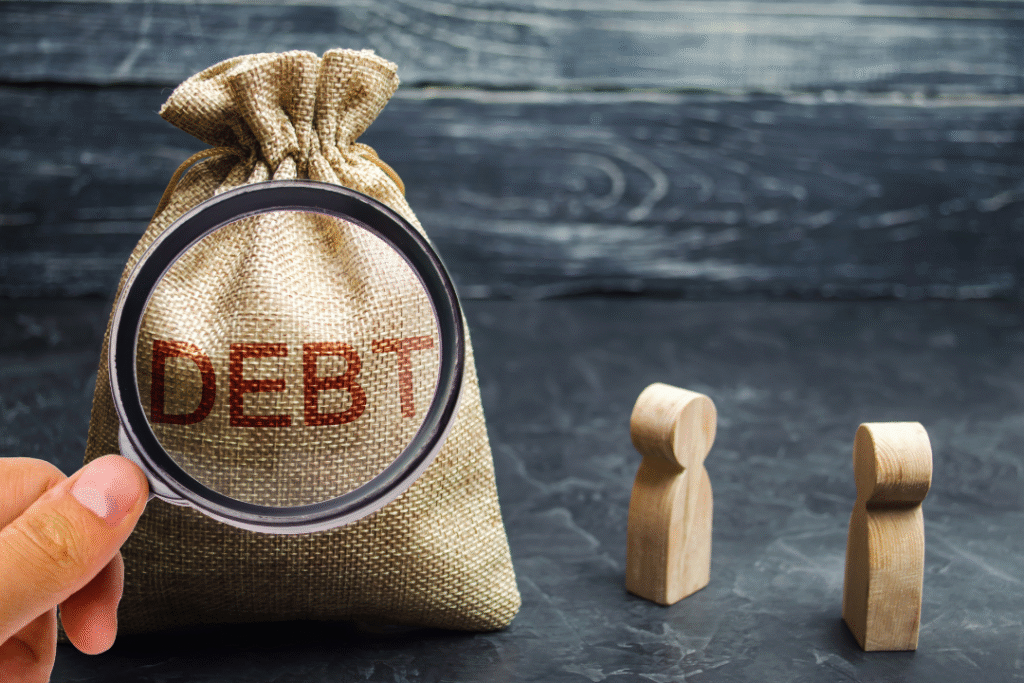
The lending ecosystem in India is a major force behind the economic growth and development, as it facilitates access to capital for both individuals and businesses. The Debt Recovery Tribunal (DRT) is established to settle debt recovery disputes, including those of Micro, Small, and Medium Enterprises (MSMEs). The Tribunal plays a critical role in the debt recovery mechanism for banks and financial institutions, which significantly impacts MSMEs both as borrowers and creditors.
DRT and Debt Recovery Mechanism
The primary mandate of DRTs is to facilitate the speedy recovery of debts owed to banks and financial institutions. It is established under the Recovery of Debts and Bankruptcy (RDB) Act, 1993, as a quasi-judicial body providing an alternative to lengthy civil court proceedings. For MSMEs, often suffering from limited capital and delayed payments, the role of DRT is crucial in ensuring timely debt recovery. The DRTs’ functioning has dual dynamics for MSMEs under the Recovery of Debts and Bankruptcy (RDB) Act, 1993, and the SARFAESI Act, 2002, both as borrowers and creditors.
DRT’s role in Recovering Debts from MSMEs
The DRT acts as a first point of legal recourse for the lender, if the MSME, as a borrower, has defaulted on a loan above the pecuniary limit taken from a bank or financial institution. The following are the functions of DRT in cases where MSME is a borrower:
Changing Dynamics for Debt Recovery by MSMEs
The major challenge that MSMEs face is delayed payments for goods and services supplied to the buyers, including larger companies. Due to delayed payments form clients, defaulters, or unforeseen circumstances, MSMEs often face cash flow disruptions, impeding their ability to meet operational expenses, investments, or even to sustain day-to-day operations. While DRT is a legal mechanism primarily for banks, the changing dynamics for MSMEs in debt recovery centres around an alternative statutory mechanism. It is as follows:
Reforms in the DRT process
Recent changes have focused on providing a modernised and streamlined DRT process, applying to all cases, including those involving MSMEs:
In conclusion, the dynamics of debt recovery for MSMEs is characterised by a powerful, at times harsh, system as DRT or SARFAESI, for the recovery of bank loans, and a special mechanism under the MSMED Act with MSEFC, for the recovery of their delayed payments. The recent changes and focus on digitization and procedural efficiency in DRTs intend to improve overall judicial enforcement of debt. However, the MSMEs face challenges such as limited benches, pendency of cases even after such efforts. Nevertheless, for MSMEs, navigating this evolving regime is crucial while India strengthens the credit framework with a more efficient and MSME sensitive legal system, sustaining entrepreneurial growth.
Current rules of the Bar Council of India impose restrictions on maintaining a web page and do not permit lawyers to provide information concerning their areas of practice. Law Square, Advocates & Solicitors is, therefore, constrained from providing any further information on this web page.
The rules of the Bar Council of India prohibit law firms from soliciting work or advertising in any manner. By clicking on ‘I AGREE’, the user acknowledges that:
1. The user wishes to gain more information about Law Square, Advocates & Solicitors, its practice areas and its attorneys, for his/her own information and use;
2. The information is made available/provided to the user only on his/her specific request and any information obtained or material downloaded from this website is completely at the user’s volition and any transmission, receipt or use of this site is not intended to, and will not, create any lawyer-client relationship; and
3. None of the information contained on the website is in the nature of a legal opinion or otherwise amounts to any legal advice.
4. Law Square, Advocates & Solicitors, is not liable for any consequence of any action taken by the user relying on material/information provided under this website. In cases where the user has any legal issues, he/she in all cases must seek independent legal advice.