
In Re : Social Science Textbook for Grade-8 (Part 2) published by NCERT and ancillary issues
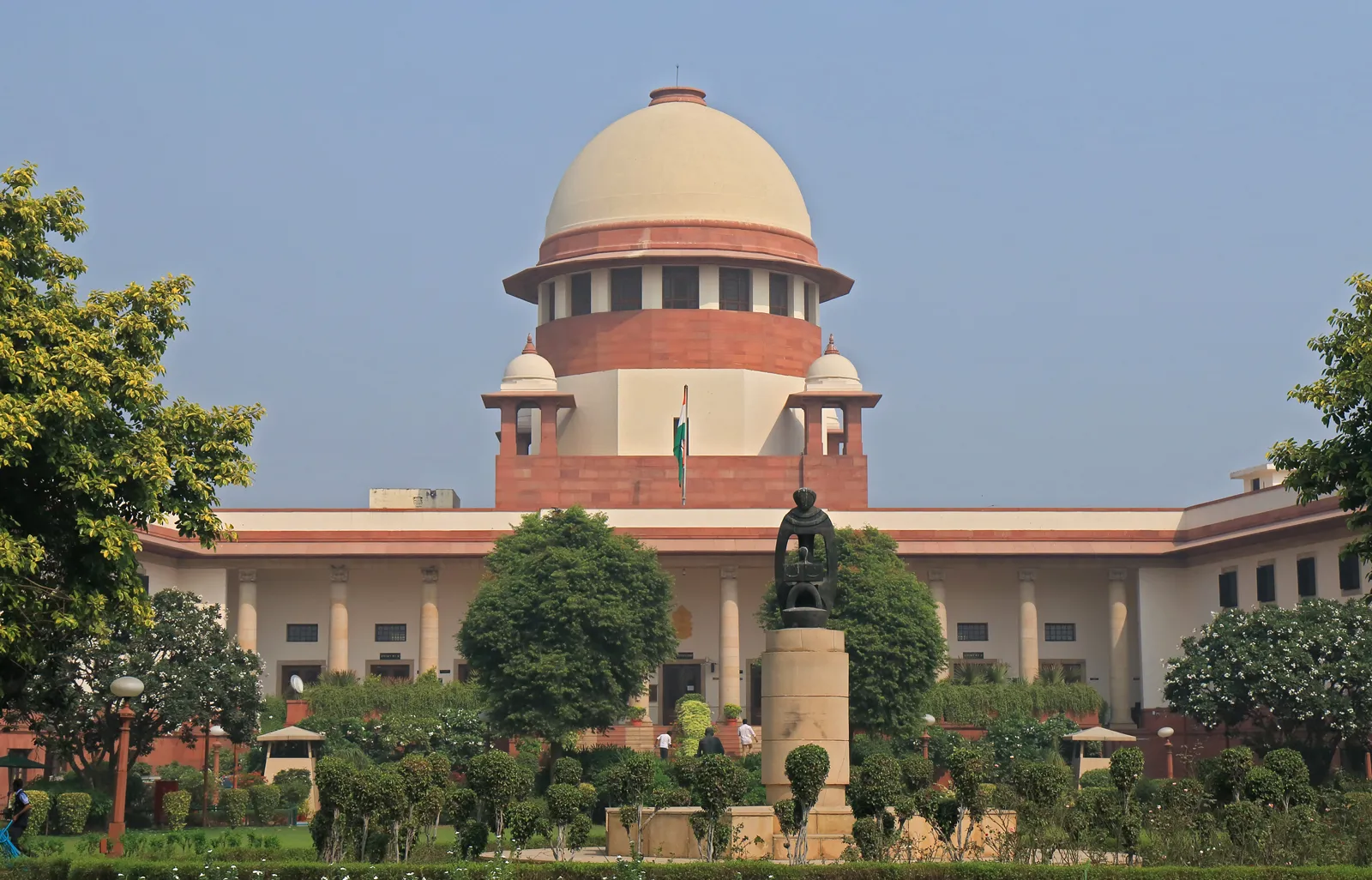
The Supreme Court of India exercised suo moto jurisdiction in the case of a highly contentious chapter from the NCERT Class 8 Social Science textbook about “corruption in the judiciary.” It was a major move to safeguard the sanctity of one of the basic tenets of the Constitution. In February 2026, a three-member bench headed by Chief Justice Surya Kant, along with Justices Joymalya Bagchi and Vipul M. Pancholi, took note of the issue out of concern that the wide-ranging, generic comments would do grave disservice to the institution and adversely affect the faith in the rule of law among common citizens. The bench held that the damage would be more harmful as far as young and impressionable 13-to-14-year-olds are concerned, observing that children are entitled to receive a proper education through critical commentary within the overall context of the judicial system’s framework and checks and balances. Considering it a gross lapse in the internal vetting process at NCERT, the bench directed the immediate stoppage of the publication and distribution of the textbook and ordered confiscation of all the available copies.
As developments unfolded in May 2026, the Court maintained its position with regard to institutional dignity while at the same time effecting changes in systems and processes. It softened its position regarding the imposition of a censure order against the drafters, namely Prof. Michel Danino, Suparna Diwakar, and Alok Prasanna Kumar, leaving it open for the academic community to decide on its own whether they should participate in the process in the future. As part of the process of bringing about permanent change to the system that was vulnerable to mistakes like this, the court suggested that the governments should consider forming an expert committee tasked with reviewing and reforming the curricular system. Through the exercise of its suo motu powers, the judiciary had intervened in an important matter concerning the whole country, establishing that criticisms aimed at any democratic institution should be treated with respect and academic balance.
Researched and Authored by Prisha Chakravarthy.
Current rules of the Bar Council of India impose restrictions on maintaining a web page and do not permit lawyers to provide information concerning their areas of practice. Law Square, Advocates & Solicitors is, therefore, constrained from providing any further information on this web page.
The rules of the Bar Council of India prohibit law firms from soliciting work or advertising in any manner. By clicking on ‘I AGREE’, the user acknowledges that:
1. The user wishes to gain more information about Law Square, Advocates & Solicitors, its practice areas and its attorneys, for his/her own information and use;
2. The information is made available/provided to the user only on his/her specific request and any information obtained or material downloaded from this website is completely at the user’s volition and any transmission, receipt or use of this site is not intended to, and will not, create any lawyer-client relationship; and
3. None of the information contained on the website is in the nature of a legal opinion or otherwise amounts to any legal advice.
4. Law Square, Advocates & Solicitors, is not liable for any consequence of any action taken by the user relying on material/information provided under this website. In cases where the user has any legal issues, he/she in all cases must seek independent legal advice.